
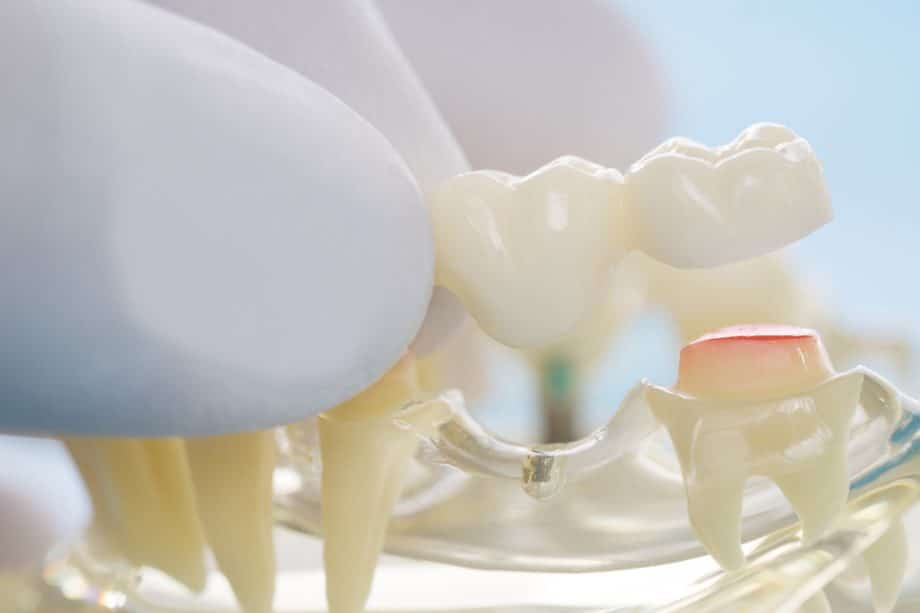
Deciding to get a dental bridge is a significant step toward restoring your smile and improving your oral function. At our practice, we see firsthand how this procedure can rebuild confidence and make daily activities like eating and speaking easier. A dental bridge effectively fills the gap left by one or more missing teeth, using the adjacent teeth as anchors for a prosthetic tooth, or pontic. Understanding the process is essential, but knowing what to expect during the recovery period is crucial to achieving a smooth, successful outcome.
After the procedure, your mouth will need time to heal and adjust. The recovery experience varies from person to person, but most people follow a similar timeline. We want to ensure you are fully prepared for the days and weeks following your appointment. This guide outlines the immediate aftercare, dietary adjustments, oral hygiene practices, and long-term maintenance required to keep your new bridge in excellent condition for years to come. Following these guidelines helps ensure your comfort and the longevity of your investment in your oral health.
The First 24-48 Hours: Immediate Aftercare
The initial period after your dental bridge procedure is critical for healing. It's common to experience some numbness from the local anesthetic for a few hours. We advise you to be careful not to bite your tongue or the inside of your cheek until the feeling fully returns. As the anesthesia wears off, you may notice some soreness or sensitivity in the gums and teeth surrounding the bridge. This sensation is a regular part of the body's healing process.
To manage discomfort, you can use over-the-counter pain relievers as directed. An ice pack or cold compress applied to the outside of your cheek for 15-minute intervals can also help reduce swelling and soothe the area. We recommend avoiding strenuous physical activity on the first day, as this movement can increase blood flow and potentially lead to more swelling or bleeding. Rest is your best friend during this initial healing phase. Your permanent bridge will feel different at first, but your mouth will quickly adapt to it.
Adjusting Your Diet: What to Eat and Avoid
During the first few days after getting your bridge, your teeth and gums will be sensitive. Sticking to a soft-food diet is essential to avoid putting unnecessary pressure on the new appliance and the surrounding tissues. This helps prevent discomfort and protects the temporary or permanent cement as it fully sets.
Think about incorporating foods that are easy to chew and swallow. Good options include:
- Soups and broths
- Yogurt and smoothies
- Mashed potatoes
- Scrambled eggs
- Oatmeal and soft cereals
- Pudding and applesauce
You should avoid certain foods that could damage your new bridge or cause pain. Steer clear of hard, crunchy, or sticky items. These include nuts, hard candies, popcorn, caramel, and tough meats. It's also wise to avoid extremely hot or cold foods and drinks, as your teeth may be sensitive to temperature changes. As the area heals, you can gradually reintroduce a wider variety of foods into your diet.
Oral Hygiene with a Dental Bridge
Maintaining excellent oral hygiene is more important than ever when you have a dental bridge. While the bridge itself cannot decay, the natural teeth supporting it (the abutment teeth) and the gum tissue beneath it are still vulnerable to plaque buildup and disease. Proper cleaning prevents complications and extends the life of your bridge. You should continue to brush your teeth at least twice a day with a soft-bristle toothbrush and fluoride toothpaste.
Cleaning under and around the bridge requires some special tools. Flossing is crucial, and you will need to learn a new technique to navigate around the appliance. A floss threader is an essential tool that helps you guide the floss between the bridge and your gums to remove food particles and plaque. Water flossers and interdental brushes are also excellent for cleaning hard-to-reach areas. Establishing a consistent and thorough cleaning routine will protect your investment and maintain the health of your entire mouth.
Long-Term Care and Maintenance
A dental bridge is a durable, long-lasting solution, but it requires ongoing care to remain in good shape. With proper maintenance, a bridge can last for 10 to 15 years or even longer. The most critical factor in its longevity is the health of the supporting abutment teeth. Teeth that develop decay or gum disease compromise the stability of the entire bridge. Therefore, your commitment to daily oral hygiene is paramount.
Regular dental check-ups and cleanings are also a key part of long-term care. We recommend visiting us at least twice a year. During these appointments, we will examine your bridge to ensure it fits correctly and is functioning properly. We will also check the health of your abutment teeth and gums, perform a professional cleaning, and address any concerns you may have. These visits allow us to catch potential issues early before they become serious problems.
Knowing When to Contact Us
Most patients recover from a dental bridge procedure without any complications. However, it's essential to know which signs warrant a call to our office. While some initial sensitivity and soreness are normal, persistent or severe pain is not. If your bite feels "off" or uneven after a few days of adjustment, the bridge may need a minor modification to ensure a comfortable fit.
You should also contact us if you experience any of the following:
- Pain that is not managed by over-the-counter medication
- Significant swelling that lasts more than a few days
- Signs of an allergic reaction, such as a rash or unusual inflammation
- The dental bridge feels loose or comes off
- Damage to the bridge, such as a chip or crack
Your comfort and health are our top priorities. Never hesitate to reach out if something doesn't feel right. Prompt attention can prevent more significant issues and ensure your recovery stays on track. Your new smile is a result of a partnership between our team and you, and we are here to support you every step of the way.
A Lasting Solution for Your Smile
A dental bridge is an excellent example of modern restorative dentistry that can beautifully and functionally replace missing teeth. By understanding what to expect after the procedure and committing to proper aftercare, you can ensure a smooth recovery and enjoy the benefits for many years. From managing initial sensitivity to adopting a new oral hygiene routine, these minor adjustments will protect your dental work and your overall oral health. We are confident that you will be pleased with the results and the renewed function of your bite and smile.
Frequently Asked Questions About Restorative Dentistry
How long does it take to get used to a new dental bridge?
Most people adjust to the feel of a new dental bridge within one to two weeks. Initially, it may feel a bit bulky or different, but your tongue and cheeks will quickly adapt. It's also common to experience mild sensitivity, which should fade as the surrounding tissues heal. If your bite remains uneven after 2 weeks, schedule a follow-up visit for an adjustment.
Can a dental bridge get cavities?
The bridge itself, which is typically made of porcelain or ceramic, cannot develop a cavity. However, the natural teeth that support the bridge (abutment teeth) are still susceptible to decay. Plaque can accumulate along the gumline and at the margins where the bridge meets the teeth. This potential to trap plaque makes it essential to clean thoroughly under and around the bridge every day to prevent cavities from forming on these critical supporting teeth.
At Jacobs and Thatcher Dentistry, we provide comprehensive and compassionate dental care for families in Sun City Center and the surrounding communities. We combine advanced technology with a personal touch to help our patients achieve and maintain beautiful, healthy smiles. To learn more about our services or to schedule an appointment, please contact us.