
Tooth decay and dental damage happen to almost everyone at some point. When you visit the dentist with a cavity or a cracked tooth, we need to repair the damage to keep your mouth healthy. Two of the most common treatments we use to fix these issues are dental fillings and dental crowns. Both options restore the function and appearance of your teeth, but they serve very different purposes depending on the severity of the damage.
Choosing the right treatment involves understanding how much of your natural tooth structure remains and what kind of support your bite requires. We provide a full range of restorative dentistry procedures to help you maintain a strong, healthy smile. To help you understand your options, we want to break down the differences between fillings and crowns, how each procedure works, and which one might be the best fit for your specific dental needs.
Understanding Dental Fillings and Their Ideal Uses
A dental filling repairs minor to moderate tooth decay or minor chips. When plaque produces acids that eat away at your tooth enamel, a cavity forms. We treat this cavity by removing the decayed portion of the tooth and filling the space with a durable material. This process prevents the bacteria from spreading deeper into the tooth and restores the tooth's structural integrity. We often use tooth-colored composite resin, which blends naturally with your surrounding teeth, though silver amalgam, gold, and porcelain remain viable materials.
Fillings work best when the majority of your natural tooth remains healthy and strong. Because the filling simply plugs a small hole, it relies on the surrounding enamel to hold it in place and absorb chewing pressure.
Key Benefits of Dental Fillings
- Conservative treatment: We leave most of your natural tooth structure completely intact.
- Quick procedure: We usually complete a filling in a single, short visit.
- Cost-effective: Fillings cost significantly less than more extensive restorations.
- Natural appearance: Composite resin fillings match the exact shade of your smile.
Exploring Dental Crowns for Major Repairs
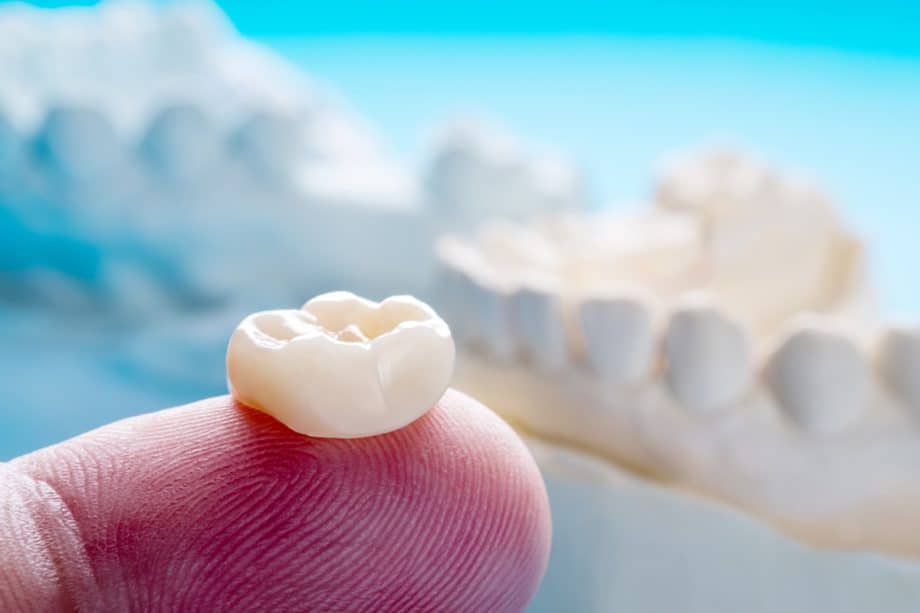
While a filling sits inside your tooth, a dental crown covers the entire visible portion of the tooth, right down to the gum line. Think of a crown as a protective cap that encases a damaged, weak, or severely decayed tooth. We use crowns when a tooth has suffered so much damage that a filling cannot adequately support the remaining structure. For instance, if a cavity covers more than half the width of the tooth, placing a filling could actually cause the surrounding enamel to fracture under biting pressure.
We also use crowns to protect teeth after a root canal, to anchor a dental bridge, or to cover a dental implant. Dental laboratories custom-make these crowns using strong materials like porcelain, ceramic, zirconia, or metal alloys. The porcelain and ceramic options perfectly mimic the light-reflecting properties of natural teeth, providing a seamless repair. This protective cap absorbs the force of your bite, ensuring the underlying tooth remains safe from further cracking or decay.
Comparing the Procedures and Overall Durability
The procedure for receiving a filling takes very little time. We numb the area, drill out the decay, place the filling material, cure it with a special light, and polish the surface. You walk out of the office with a fully restored tooth in under an hour. Fillings generally last anywhere from five to fifteen years, depending on the material used, your oral hygiene habits, and whether you grind your teeth at night. Over time, fillings can wear down, chip, or loosen, requiring eventual replacement.
Getting a crown typically requires two visits to our office. During the first visit, we numb the tooth, file down the enamel to make room for the crown, and take impressions of your bite. We place a temporary crown over the tooth while an off-site dental laboratory crafts your permanent restoration. A few weeks later, you return for the second visit, where we permanently cement the custom crown into place. Because crowns cover the entire tooth and use highly durable materials such as zirconia or porcelain, they often last 15 to 20 years or more with proper care. They withstand heavy chewing forces much better than standard fillings.
Cost Considerations and Preserving Tooth Structure
Cost always plays a role in dental treatment decisions. Dental fillings cost less upfront because they require less time, fewer materials, and no outside laboratory work. Most dental insurance plans cover most of the cost of standard fillings. Crowns carry a higher price tag due to the custom fabrication process, the premium materials used, and the multiple office visits required. However, insurance plans typically cover a significant percentage of a crown if we deem it medically necessary to save the tooth.
Beyond financial cost, we also evaluate the biological cost to your natural tooth. We always prefer conservative dentistry, meaning we save as much of your natural enamel as possible. If a filling can safely and effectively repair your tooth, we will recommend that route. We only recommend a crown when preserving the remaining tooth structure with a filling poses a high risk of future fractures. A crown requires us to file away a significant portion of healthy enamel to ensure a proper fit, making it an irreversible procedure.
Making the Right Choice for Your Smile
Ultimately, choosing between a dental filling and a crown comes down to more than personal preference. The specific condition of your tooth dictates the proper treatment. We carefully examine the cavity size, the presence of any structural cracks, and the overall strength of the remaining enamel before making a recommendation. Our goal is always to provide the most conservative, long-lasting solution to keep your mouth healthy and functional.
If you experience tooth pain, sensitivity to hot and cold, or notice visible damage to a tooth, getting a professional evaluation right away is critical. Catching decay early usually means we can fix the problem with a simple, inexpensive filling. Waiting too long allows the decay to spread, eventually requiring a crown or even a root canal. By maintaining routine checkups and addressing issues promptly, we can help you avoid complex treatments and maintain a vibrant, strong smile for years to come.
Frequently Asked Questions About Restorative Dentistry
How long do dental fillings usually last?
Most composite resin fillings last between five and ten years, while amalgam or gold fillings can last fifteen years or longer. Your daily oral hygiene habits, your diet, and whether you clench or grind your teeth heavily influence the lifespan of your filling. We check the integrity of your fillings during your routine dental exams to ensure they remain sealed and functional.
Does getting a dental crown hurt?
No, getting a dental crown should not cause pain. We use local anesthesia to numb the tooth completely and the surrounding gums before we begin preparing the enamel or removing any decay. You might feel mild pressure during the procedure, and your gums might be slightly tender for a day or two after we place the temporary or permanent crown. Still, over-the-counter pain relievers easily manage this minor discomfort.
As a family-focused dental practice, we proudly serve our local community by providing comprehensive, compassionate oral health care for patients of all ages. Our team focuses on delivering personalized treatment plans that prioritize your comfort and long-term wellness. If you have questions about your smile or need to schedule an appointment, please contact us today.